

First Impression of Twenty-One
Twenty-One from Hacksaw Gaming arrives as a crisp, table-inspired take on card-based casino play. Released on 2023-11-14, this title sits in the Table Games category and aims to bridge the gap between classic card strategy and modern digital presentation. On first look it feels familiar to players who enjoy card games, but it wears that familiarity lightly — the interface is clean and the pace is brisk, making it approachable for both beginners and experienced players who want a straightforward, focused session.
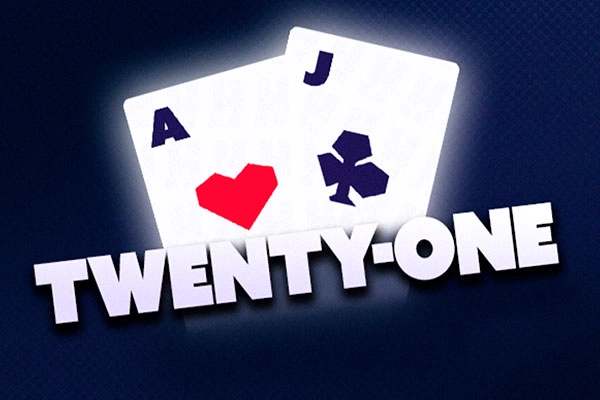
The theme is intentionally minimal — it emphasizes cards, clean typography and a neutral table backdrop rather than heavy graphics or animated theatrics. That design choice supports quick gameplay decisions and keeps attention on mechanics and stake management rather than flashy distractions.
Twenty-One Pros and Cons
- Clean, focused table-style presentation
- Accessible betting range suitable for casual and serious players
- Fast rounds and intuitive controls
- Solid maximum exposure for high-stakes play

- Not as feature-rich as some modern slots
- Visual minimalism may feel plain to players seeking spectacle
- Limited novelty for players who prefer jackpot chase mechanics

Game Design and Mechanics
Twenty-One is presented by Hacksaw Gaming, a provider known for compact, well-executed titles that emphasize clarity and fast gameplay loops. Classified under Table Games, the title borrows visual cues from traditional card tables while delivering play sessions that feel modern and mobile-friendly.
At its core, Twenty-One focuses on simple, decision-driven rounds. The primary gameplay loop revolves around card outcomes, betting choices and occasional side options that let you manage risk and potential reward. Rather than an array of cascading mechanics, Twenty-One keeps the ruleset tight so players can learn quickly and execute strategies without being overwhelmed.
Gameplay & Features
Twenty-One presents a streamlined playfield rather than traditional slot reels and paylines. Expect rounds that feel like short hands of a card game where each deal and decision matters. Bets are placed before a deal, outcomes are revealed, and players can follow simple in-game options to influence results.
Feature-wise, Twenty-One favors mechanical clarity. Instead of an abundance of bonus layers, its strengths are in paced rounds, optional side decisions and consistent stakes. Players may encounter features such as multipliers or a double-up style option in lieu of multi-stage free spins. The game’s design emphasizes repeatable, quick sessions over long bonus-chase journeys.
Unique mechanics are subtle but effective: the game balances brisk rounds with the ability to adjust risk mid-session, making it appealing to players who like to apply small strategies rather than rely purely on randomness.
Graphics & Sound
Graphically, Twenty-One opts for a restrained aesthetic. Cards and table elements are rendered with clear contrast and legible typography, which helps when playing on smaller screens. Animations are functional rather than ornamental — shuffles, deal reveals and outcome highlights are snappy and unobtrusive, which keeps the pace moving.
The soundtrack follows that same principle: subtle ambient cues and short effect sounds help signal wins, losses and key actions without dominating the experience. This creates a comfortable soundscape for long sessions or quick plays in crowded environments.
RTP, Volatility & Betting Options
Hacksaw Gaming titles typically fall within industry standards for RTP, and Twenty-One follows that expectation. The developer focuses on delivering predictable mechanics and fair outcomes, rather than extreme variance gimmicks.
Volatility for a table-oriented title like Twenty-One is designed to suit both steady play and occasional larger wins. Players should expect an experience that leans toward moderate volatility — rounds are frequent, and while large wins are possible, the core loop rewards consistent participation more than rare jackpot strikes.
The betting range from 0.1 up to 100 is broad enough to welcome low-stakes newcomers while still providing meaningful choices for high-stakes players. The listed maximum exposure of 150,000 indicates the game supports substantial top-end wins within its ruleset.
Demo Mode and Free Play
Twenty-One is well suited to demo play on most casino sites that host Hacksaw Gaming content. A demo mode lets newcomers test strategy and pacing before risking real money, and it’s a useful way for experienced players to evaluate whether the game’s rhythm and risk options fit their style.
Mobile Experience
The UI scales comfortably to mobile screens, preserving legibility and interactive controls. Because the design is minimal and optimized for touch, buttons and decision prompts are easy to use on phones and tablets. Load times tend to be quick and animations remain smooth, which keeps short-session play convenient on the go.
Twenty-One Provider and Studio
Hacksaw Gaming has built a reputation for compact, well-polished titles that work across platforms. With Twenty-One, the studio leans into its strengths: efficient UI, clear rules and mobile-first execution. If you enjoy other Hacksaw releases, Twenty-One will feel like a familiar extension of their design philosophy.
For operators and studios, this title demonstrates how focused mechanics can attract a wide audience without the need for heavy thematic overlays. It’s a useful template for future table-oriented releases that prioritize accessibility.
Our Verdict on Twenty-One
Twenty-One is a solid, no-nonsense addition to the Table Games roster. Its strengths are clarity, fast rounds and a betting range that suits both beginners and more serious players. The minimal visual presentation and compact feature set may not satisfy those who chase extravagant bonus chains, but for players who value skillful, repeatable card play and clean design, Twenty-One delivers a satisfying experience.
Best suited for players who enjoy card-based games and quick sessions, Twenty-One is also a good fit for mobile players and those who prefer strategic decision-making over flashier slot mechanics.